One of the first questions people ask before going full-time RV living is simple:
“How much does it actually cost?”
Not the Instagram version. Not the “we only spend $1,200 a month” headline. The real numbers — including startup costs, monthly expenses, and all the stuff no one remembers to mention.
The truth is this: your first year of full-time RV living is almost always the most expensive. You’re buying gear, learning lessons the hard way, and figuring out what kind of RVer you actually are.
Here’s a realistic breakdown of what full-time RV living costs in the first year — and how to avoid overspending.
The Big Picture: Average First-Year Cost
For most full-time RVers, the total first-year cost falls somewhere between:
$25,000 and $60,000+
That’s a huge range because RV living is flexible. Your budget depends on:
- Your rig (trailer, fifth wheel, motorhome)
- How often you move
- Campground style (resorts vs boondocking)
- Fuel prices
- Lifestyle choices
Let’s break it down piece by piece.
Upfront Costs (Before You Even Hit the Road)
This is where new full-timers get surprised.
RV Purchase or Setup
If you already own an RV, great — you skip the biggest hit. If not:
- Used travel trailer: $10,000–$30,000
- Used fifth wheel: $20,000–$45,000
- Used motorhome: $25,000–$60,000+
On top of that, many people spend extra on:
- Hitch, weight distribution, or tow upgrades
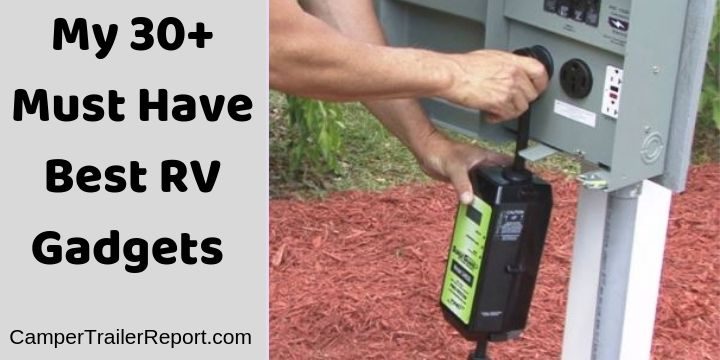
- Surge protectors and electrical gear
- Sewer hoses, water filters, pressure regulators
- Leveling blocks and wheel chocks
Typical first-year setup cost: $2,000–$5,000 (even with a used RV)
Read More: RV Electrical – Everything You Need to Know (Guide)
Monthly Living Expenses (The Core Costs)
Once you’re rolling, these are the expenses you’ll feel every month.
Campground and Parking Fees
This is the biggest variable.
- RV parks (nightly): $35–$90 per night
- Monthly stays: $500–$1,200
- State parks or COE parks: $300–$700
- Boondocking: Free to very cheap
Most full-timers average $600–$1,000 per month in the first year while they figure out what works.
Fuel and Travel Costs
Fuel adds up faster than people expect.
- Gas or diesel: $300–$600 per month on average
- Tolls and route detours: Variable
- Moving too often = higher fuel costs
Traveling slower is the easiest way to save money.
RV Insurance and Registration
Full-time RV insurance costs more than recreational coverage.
- Insurance: $100–$250 per month
- Registration and inspections: $100–$300 per year
Maintenance and Repairs (The Silent Budget Killer)
Something will break in the first year.
Roof reseals. Tire replacements. Appliances. Slide issues. Plumbing leaks.
Even if you’re careful, budget for:
- $1,500–$3,000 per year minimum
- More if you buy an older rig
If you don’t use it, great. If you need it, you’ll be very glad it’s there.
Utilities and Connectivity
Internet and Phone
If you work remotely, this is non-negotiable.
- Cell phone plans: $100–$200/month
- Hotspot or data plans: $50–$150/month
- Boosters or antennas (one-time): $200–$600
Electricity and Propane
- Electricity: Often included in monthly stays
- Propane: $30–$100/month depending on weather
Cold climates cost more. Always.
Food, Life, and Normal Expenses
RV living doesn’t erase everyday life.
- Groceries: $400–$800/month
- Dining out: Varies wildly
- Laundry: $40–$80/month
- Entertainment, subscriptions, and hobbies
If you overspend here, RV life won’t magically fix it.
First-Year Reality Check: A Sample Budget
Here’s a realistic middle-of-the-road first-year estimate:
- Campgrounds: $9,000
- Fuel: $6,000
- Insurance & registration: $2,500
- Maintenance & repairs: $2,500
- Internet & phone: $3,000
- Food & daily life: $8,000
- Setup gear & upgrades: $3,000
Total first-year cost: ~$34,000
You can go lower. You can absolutely go higher. But this is a realistic expectation for many new full-timers.
How to Lower Your First-Year RV Living Costs
The easiest savings come from three places.
Move Less
Monthly stays save huge money on fuel and campground fees.
Learn Basic Maintenance Early
YouTube, forums, and experience will save you thousands.
Don’t Overbuy Gear
You don’t need everything on day one. Buy what you actually use.
Final Thoughts
Full-time RV living isn’t cheap — but it is flexible.
Your first year costs more because you’re learning, adjusting, and setting up a system that works for you. By year two, most people spend less, stress less, and travel smarter.
If you’re planning to go full-time, budget honestly, keep an emergency fund, and remember: RV living isn’t about being cheap — it’s about spending intentionally.
And that mindset is worth more than any spreadsheet.
Read More: My 30+ Must Have Best RV Gadgets for 2026