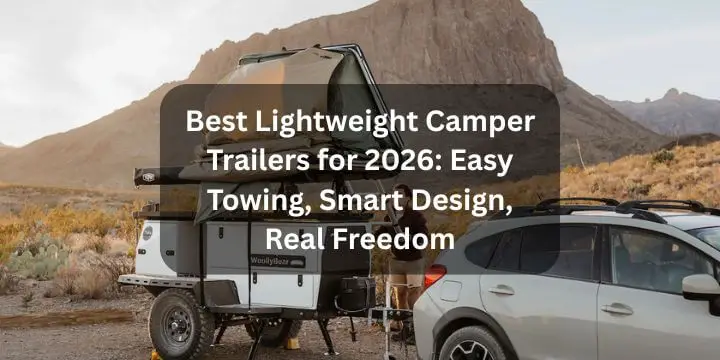
Lightweight camper trailers are no longer a compromise. In 2026, they represent one of the smartest choices for travelers who want comfort, flexibility, and stress-free towing without upgrading to a massive truck.
Manufacturers have invested heavily in lightweight materials, smarter layouts, and better technology, making today’s compact trailers more capable than ever before.
Whether you’re a first-time buyer, a weekend explorer, or someone downsizing from a larger RV, lightweight camper trailers offer a practical and enjoyable way to travel. This guide explores why lightweight trailers are booming in 2026, what features matter most, and how to choose the right one for your lifestyle.
Why Lightweight Camper Trailers Are More Popular Than Ever
The demand for lightweight camper trailers continues to grow for one simple reason: they fit real life. Not everyone wants a heavy trailer, a full-size truck, or the fuel costs and storage challenges that come with larger rigs.
In 2026, many travelers prioritize flexibility. They want to take spontaneous trips, explore narrow roads, park easily, and tow with vehicles they already own. Lightweight trailers make this possible.
Fuel efficiency is another major factor. Lighter trailers reduce strain on tow vehicles, improve mileage, and lower overall travel costs. Over time, this can save thousands while making road trips more relaxed.
There’s also a growing group of solo travelers, couples, and small families who simply don’t need large interiors. For them, smart design matters more than square footage.
What Defines a Lightweight Camper Trailer in 2026
Lightweight doesn’t mean stripped down. In 2026, most lightweight camper trailers are defined by thoughtful engineering rather than missing features.
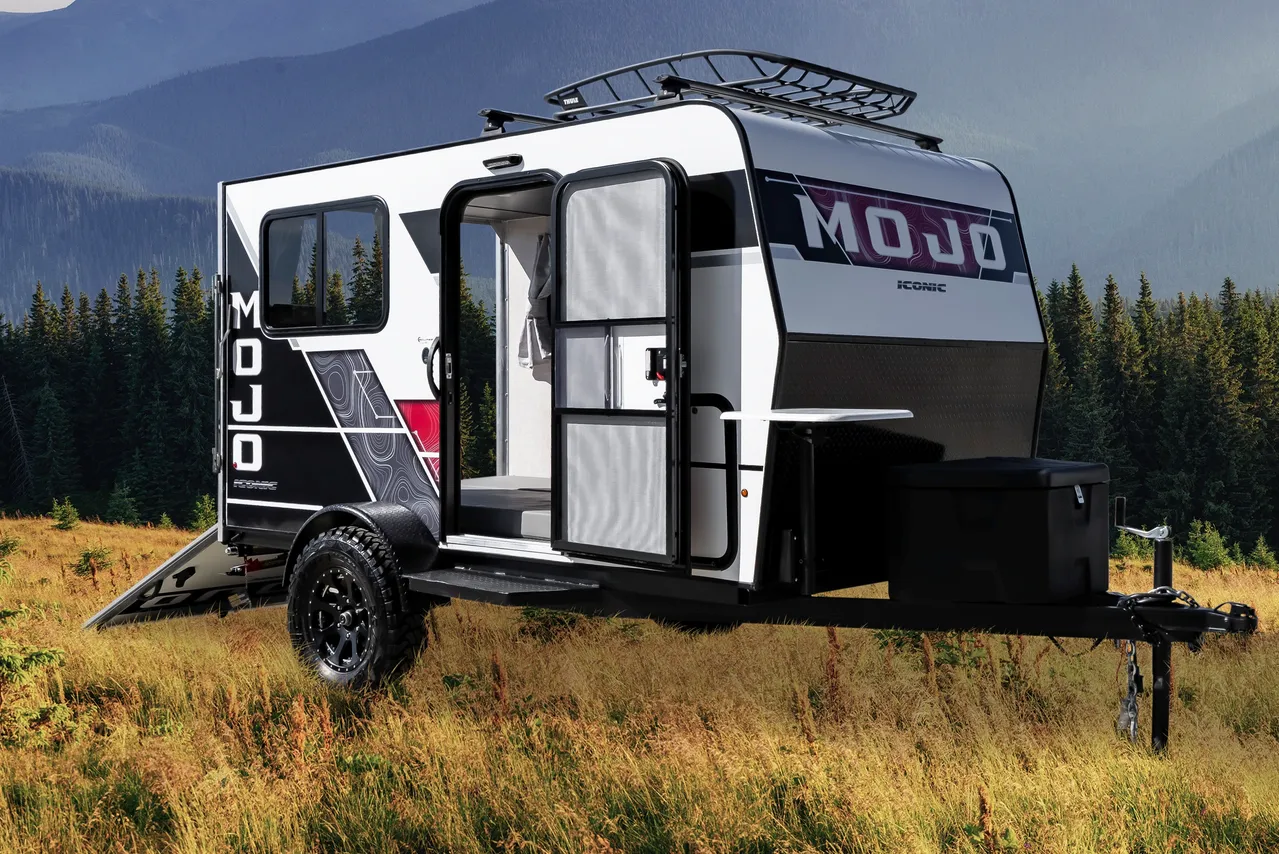
Many fall under 1,500 to 2,500 kg fully loaded, making them suitable for midsize SUVs and light trucks. Advanced construction techniques use aluminum frames, composite panels, and lightweight insulation to reduce weight without sacrificing strength.
Inside, space is used efficiently. Instead of bulky furniture, you’ll find convertible seating, fold-away tables, and multi-purpose storage. Every element serves more than one function.
The result is a trailer that feels modern, practical, and easy to live with.
Read More: 10 RV Makeovers That Will Blow Your Mind (Before & After Transformations)
Towing Benefits You’ll Immediately Notice
One of the biggest advantages of lightweight camper trailers is how they behave on the road. In 2026, towing technology and trailer balance have improved significantly.
Lighter trailers are easier to control, especially in crosswinds or on winding roads. Braking feels smoother, and acceleration is less stressful for the tow vehicle. Parking and maneuvering at campsites is also far easier, especially for newer RV owners.
Many drivers report that towing a lightweight trailer feels far less intimidating, which increases confidence and enjoyment during long trips.
For travelers who move frequently or explore remote areas, this ease of towing is a major quality-of-life improvement.


Interior Design That Makes Small Feel Spacious
Modern lightweight camper trailers are proof that smart design matters more than size. In 2026, interiors are built around flow, light, and flexibility.
Large windows and panoramic skylights make interiors feel open and bright. Neutral colors and minimalist cabinetry prevent the space from feeling cramped. LED lighting is softer and adjustable, creating a comfortable atmosphere day and night.
Sleeping areas are often convertible. A dinette becomes a bed, or a lounge transforms into a sleeping space at night. While this requires a bit of daily setup, it allows the trailer to feel much larger during waking hours.
Storage is cleverly hidden under seating, beds, and floors. Many lightweight trailers offer more usable storage than older, heavier models thanks to smarter layouts.
Power and Off-Grid Capability in Lightweight Trailers
One common myth is that lightweight trailers can’t handle off-grid camping. In 2026, this is no longer true.
Many lightweight models now come with factory-installed solar panels, lithium batteries, and efficient 12V appliances. These systems are designed specifically for low power consumption while still supporting essential comforts.
Fridges are more efficient, water pumps are quieter, and lighting uses minimal energy. This allows campers to stay off-grid for several days without generators or hookups.
For travelers who enjoy boondocking or staying in remote locations, lightweight trailers now offer real independence without extra weight.
Who Lightweight Camper Trailers Are Perfect For
Lightweight camper trailers are ideal for a wide range of travelers, not just beginners.
First-time RV owners benefit from easier towing, simpler systems, and lower upfront costs. The learning curve is gentler, making the experience more enjoyable from day one.
Couples and solo travelers love the efficiency and freedom. These trailers support spontaneous travel, shorter trips, and easy storage when not in use.
Weekend adventurers appreciate how quickly lightweight trailers can be packed, hitched, and taken on the road. Less preparation means more actual travel.
Even experienced RVers are choosing lightweight trailers as second rigs or downsized options that better match their current lifestyle.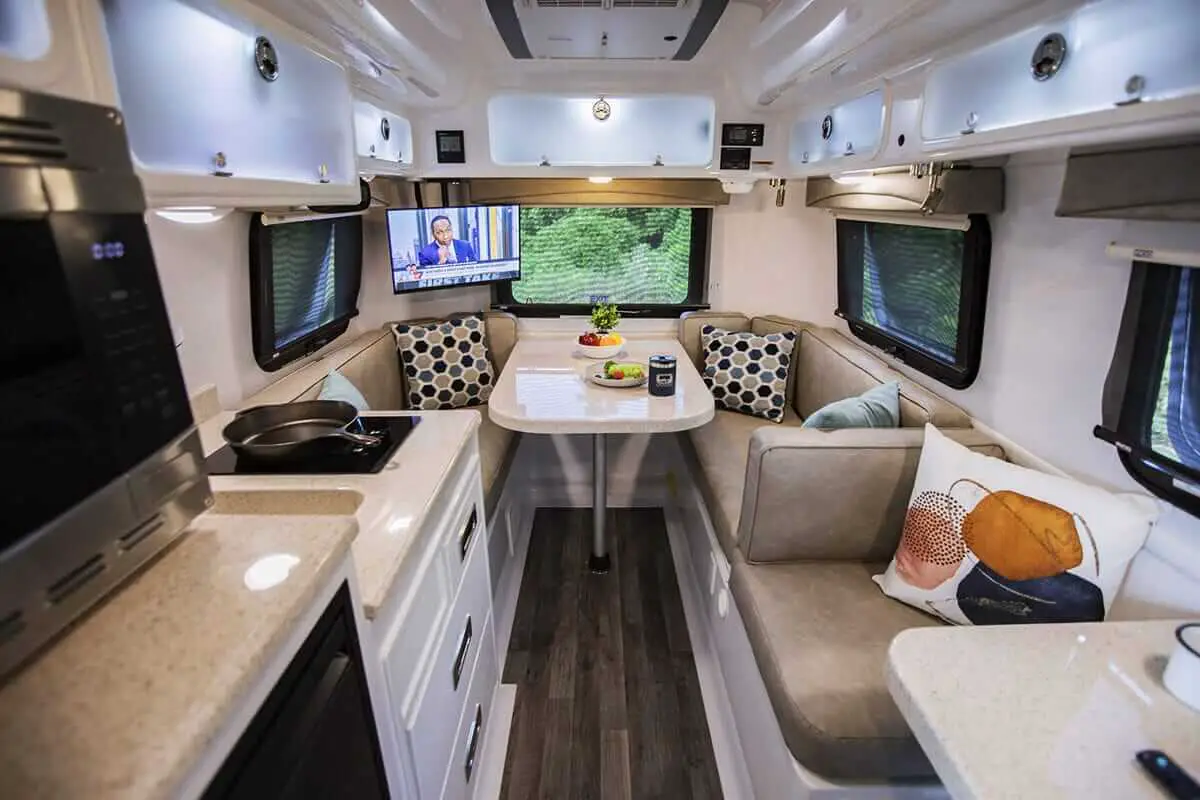


Key Features to Look for in 2026 Models
When shopping for a lightweight camper trailer in 2026, certain features make a noticeable difference.
Construction quality matters more than ever. Look for aluminum framing, sealed seams, and durable exterior materials that reduce maintenance over time.
Insulation is critical, especially if you plan to camp outside peak summer months. Modern lightweight trailers often include upgraded insulation packages that improve comfort in both heat and cold.
Electrical systems should support your travel style. Even if you don’t plan to camp off-grid often, having solar readiness or battery upgrades adds long-term value.
Ventilation and airflow are essential in smaller spaces. Roof vents, fans, and window placement significantly affect comfort.
Finally, consider storage and layout over raw size. A well-designed small trailer often feels more livable than a poorly designed larger one.
Read More: Clever RV Hacks That Will Make Camping a Breeze
Cost Advantages of Lightweight Camper Trailers
Lightweight camper trailers often cost less to buy, maintain, and operate. In 2026, this financial advantage is a major reason buyers choose compact models.
Lower purchase prices make entry into RV travel more accessible. Reduced fuel consumption lowers ongoing travel costs. Maintenance is often simpler due to fewer systems and lighter components.
Insurance and storage costs may also be lower, depending on your location and setup.
Over time, these savings allow travelers to spend more on experiences rather than equipment.
Are There Any Trade-Offs?
Like any RV, lightweight camper trailers involve trade-offs. Smaller water tanks, limited interior space, and fewer luxury features may require adjustment.
However, many travelers find that these limitations encourage smarter packing, simpler routines, and more time spent outdoors, which aligns perfectly with the camping lifestyle.
For most people choosing lightweight trailers, the benefits far outweigh the compromises.
Final Thoughts
In 2026, lightweight camper trailers represent freedom without frustration. They are easier to tow, more efficient to live in, and better suited to modern travel habits.
If you value flexibility, simplicity, and the ability to explore without limits, a lightweight camper trailer may be the perfect match. As designs continue to improve, these compact rigs prove that you don’t need a big trailer to have big adventures.
Choosing lightweight isn’t about settling for less. It’s about choosing smarter travel and enjoying the journey as much as the destination.
Read More: Camper Trailer Trends for 2026: What Every RV Owner Needs to Know